 Twitter/X
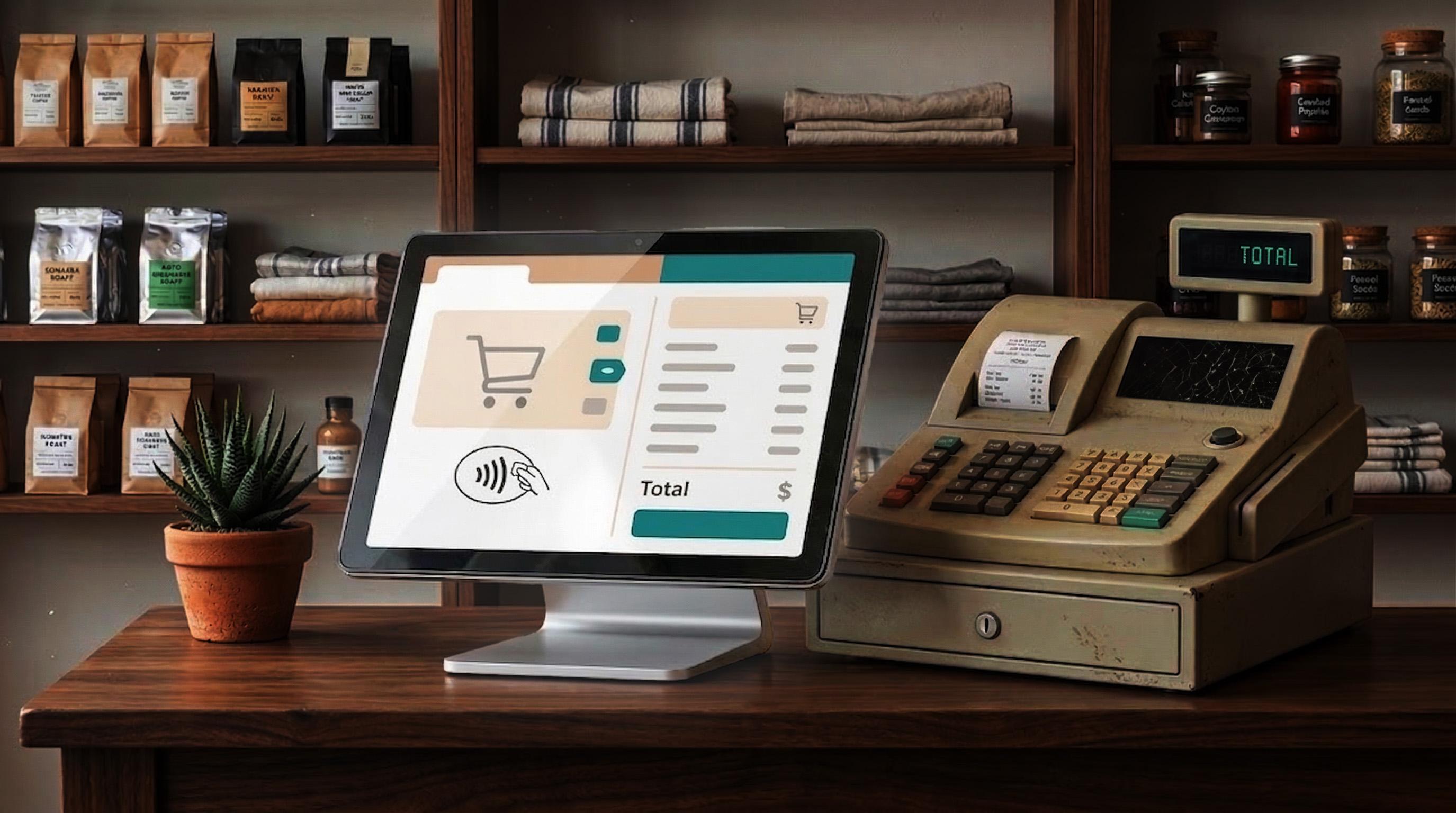
Most merchants don't think about their POS system until something goes wrong. A terminal freezes during a dinner rush. A report that should take two minutes takes twenty. A customer tries to tap their phone to pay and gets a confused look from the cashier.
The POS system sitting on your counter does more than process transactions. It manages inventory, tracks sales patterns, records employee hours, and generates the reports you rely on to make decisions. When it's working well, you barely notice it. When it's falling behind, the whole operation feels it.
The problem is that "falling behind" tends to happen gradually. You adapt. You build workarounds. You don't notice the cumulative drag until something forces the comparison.
Here are five signs your current system may be costing you more than you realize — and what a modern setup looks like.
⸻
1. Customers Are Choosing How to Pay, and Your Terminal Is Saying No
Digital wallets now account for the majority of online purchase value worldwide, and tap-to-pay adoption at physical retail has accelerated sharply over the past two years. Apple Pay, Google Pay, contactless cards, and QR-code-based payments are not edge cases anymore. They're how a large and growing share of your customers want to pay.
If your terminal doesn't support NFC (near-field communication) — the technology that powers tap-to-pay — you're creating friction at the moment that matters most. Customers who can't pay the way they prefer don't always push through. Sometimes they leave. Sometimes they don't come back.
A modern POS terminal should accept chip cards, swipe, tap-to-pay, and digital wallets without any configuration required from your staff. If yours doesn't, that's a gap worth closing.
⸻
2. Your Inventory Lives in a Spreadsheet
If the answer to "what's in stock?" is "let me check the spreadsheet," your POS system and your inventory management are not talking to each other — and that disconnect is expensive.
Modern POS systems update inventory automatically with every transaction. When a customer buys the last unit of a product, the system knows. When stock hits a reorder threshold, you get an alert. When you pull a sales report at the end of the week, it reflects actual inventory movement, not what someone remembered to enter.
Manual inventory management creates shrinkage you can't track, ordering decisions based on outdated information, and stockouts that lose sales without any visibility into why. The labor cost alone — someone manually entering counts and reconciling discrepancies — is a hard-to-see but very real drag on your margins.
⸻
3. End-of-Day Reporting Takes Longer Than It Should
A well-configured POS system should close out your day in minutes. Sales by product, by employee, by hour, by payment type — all of it should be available in a few taps, exportable in whatever format your accountant or bookkeeper needs.
If closing out your day involves exporting data, re-entering it somewhere else, cross-referencing receipts, or manually building the summary your bank or accountant asks for, your system is making a simple task complicated. That time has a cost — either yours or someone you pay to do it.
Modern systems integrate directly with accounting platforms like QuickBooks and Xero. They generate reports automatically on whatever schedule you set. They flag discrepancies rather than burying them. They turn end-of-day from a task into a dashboard check.
⸻
4. Your Hardware Is Out of Warranty and Acting Like It
Older POS hardware tends to fail at the worst possible time. Connectivity issues, slow boot times, touchscreens that require a specific angle and a firm press, thermal printers that jam on cold mornings — these aren't just annoyances. Each one introduces friction into a transaction that should be seamless.
Beyond reliability, older hardware often can't support the software updates that keep your system PCI compliant. Payment security standards evolve. If your hardware can't run the current firmware, you're operating with known vulnerabilities. That's a compliance and liability issue, not just a performance one.
Hardware refresh cycles in modern POS setups typically run three to five years. If your terminals are older than that — especially if they're showing reliability problems — the cost of maintaining them is likely exceeding the cost of replacing them.
⸻
5. You Can't See What's Happening When You're Not There
One of the most underappreciated features of modern POS systems is remote visibility. Cloud-based platforms let you check real-time sales, employee activity, and inventory levels from your phone, anywhere, at any time.
If your current system is locally hosted — meaning the data lives on the terminal and nowhere else — you lose visibility the moment you step away from the store. You find out how the day went when you come in the next morning, or when someone calls you. You can't catch problems as they develop. You can't compare performance across locations if you have more than one.
Remote access also matters for security. Cloud-based systems maintain offsite backups, so a hardware failure doesn't mean a data loss. They receive security updates automatically rather than requiring manual IT intervention. And they give you an audit trail for employee transactions that locally hosted systems often can't provide.
⸻
What the Right POS Setup Actually Looks Like
A modern POS system should be reliable, fast, and simple enough that your staff can learn it quickly and customers never notice it. Specifically, look for:
- NFC/contactless payment support on every terminal
- Integrated inventory management that updates in real time
- Cloud-based reporting accessible from any device
- Direct integration with your accounting software
- PCI-compliant hardware under a current warranty
- A support model that gets you help fast when something goes wrong
The last point matters more than most merchants realize. A POS system is only as good as the support behind it. When your terminal goes down during a lunch rush, you need someone who answers the phone — not a ticket queue with a 48-hour response window.
Clear Choice Payment Solutions provides modern POS systems with full setup, training, and ongoing support. Talk to our team about what the right setup looks like for your business.