Most Merchants Get Surcharge Programs Wrong. Here's How to Do It Right.
 Twitter/X
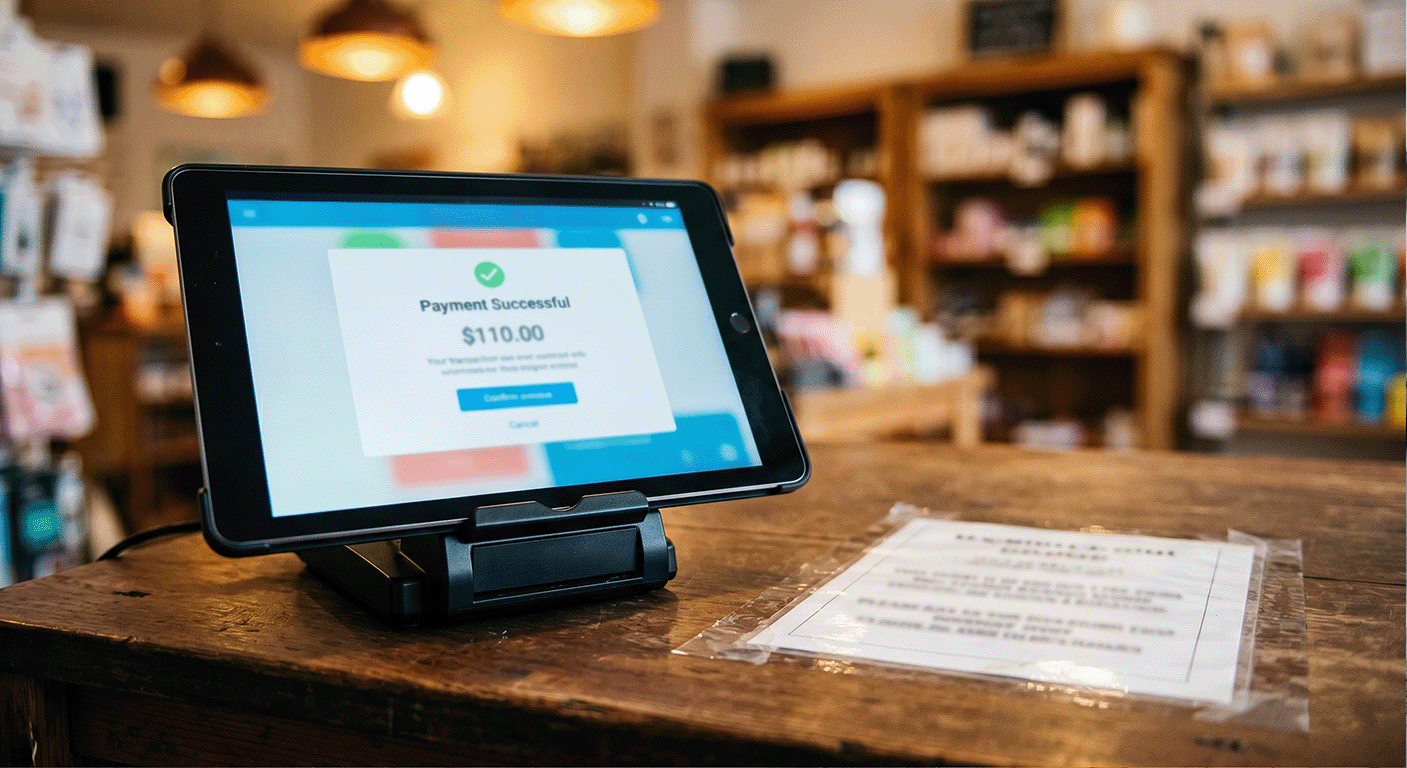
Walk into almost any small business today and there is a good chance someone has taped a laminated notice to the register explaining that credit cards cost more. Sometimes it is printed. Sometimes the handwriting is involved. Either way, surcharge programs are everywhere right now. And so are merchants running them incorrectly, which is a polite way of saying: out of compliance, exposed to fines, and genuinely surprised that someone is upset about it.
The appeal is obvious. Card processing fees are real, they add up, and passing some of that cost to the customer looks like a clean solution. The execution is where things tend to fall apart. And "fall apart" in the context of card network rules does not mean a minor inconvenience. It means fines, contract termination, and potentially refunding fees to customers retroactively. Let's make this painfully clear: the downside of getting this wrong is considerably worse than just absorbing the processing cost.
Surcharge vs. Cash Discount: Not the Same Thing
A distinction that matters more than most merchants realize. A surcharge program and a cash discount program are not the same thing, legally or operationally.
- A surcharge adds a fee on top of the credit card price.
- A cash discount reduces the price for customers who pay with cash.
The end result at the register can look nearly identical, but the compliance rules are different, the disclosure requirements are different, and the states where each is legally permitted differ as well. Treating them as interchangeable is where a significant number of operators discover, too late, that compliance is not optional.
State Law Still Matters
Surcharging credit cards is not permitted in every state. Several states still restrict or prohibit it as of 2026, and that list has shifted as laws evolve. Running a surcharge program without confirming it is legal in your state is the kind of gap that sounds fine until someone has to actually deal with it. In this case, that someone is usually a regulator.
What the Card Networks Require
Card network rules add another layer:
- Registration first. Visa and Mastercard require merchants to register their surcharge programs with the card networks before implementation — not after, not eventually, before.
- No debit surcharges. Surcharges cannot be applied to debit cards, including those running on a Visa or Mastercard network.
- Capped at actual cost. The surcharge amount is capped at the merchant's actual cost of acceptance, up to 3% for Visa transactions.
- Disclose at point of entry. Disclosure must happen at the point of entry, not only at the terminal at the moment of payment, when the customer has already mentally committed to the purchase.
Here's the Move
Before you launch a surcharge or cash discount program, do three things:
- Confirm the program is legally permitted in your state.
- Register with the relevant card networks if you are surcharging credit cards.
- Verify that your terminal applies the fee to credit transactions only — because a surcharge applied to a debit card by a misconfigured terminal is your liability, not your processor's.
No one is going to absorb that mistake on your behalf.
The Customer Experience Half
There is also a customer experience dimension that the compliance conversation tends to skip entirely. A surcharge disclosed clearly and early, before the customer has committed to the transaction, is generally accepted. A surcharge that shows up as a surprise at the end, or that gets explained poorly by a tired employee at a busy register, erodes trust faster than the fee is worth. The goal is to recover the processing cost without giving anyone a reason not to come back.
How Clear Choice Sets These Up
Clear Choice helps merchants implement these programs correctly through merchant services: state and network compliance confirmed upfront, registration where required, and terminal configuration that applies fees accurately to the right payment types. A program designed to reduce your processing cost should not create a new compliance exposure. Set up correctly, it does not have to.
If you are thinking about launching a surcharge or cash discount program, or you are already running one and want to confirm it is set up correctly, we can walk you through it. Talk to Clear Choice.